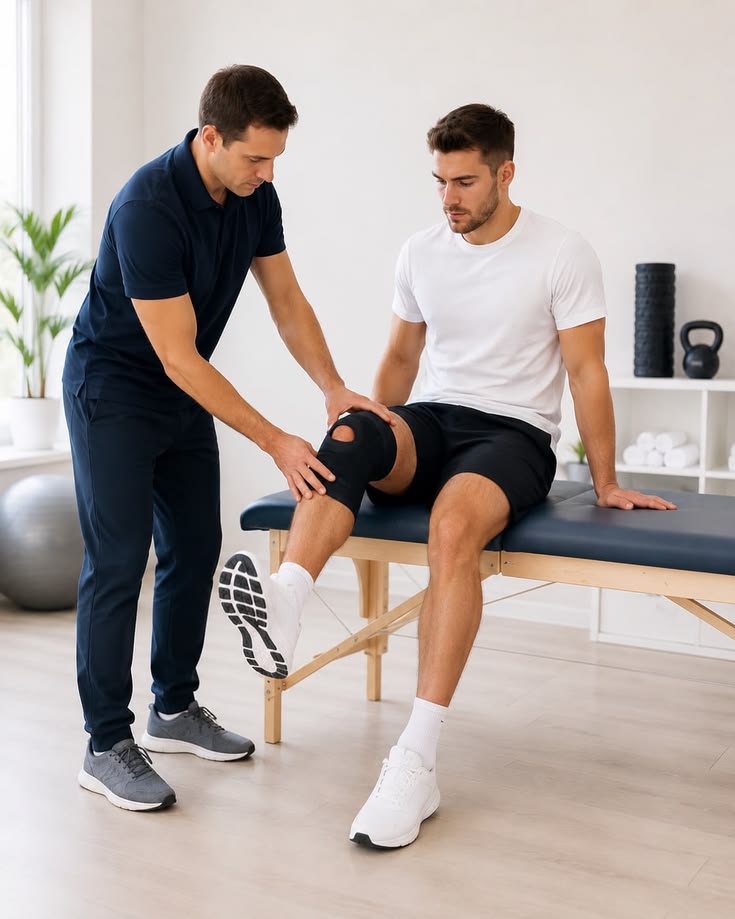



Are you finding it harder to walk around the house, stand from a chair or enjoy your usual daily activities? Perhaps an older parent is becoming less steady on their feet, or you are recovering from surgery and would prefer physiotherapy without travelling to a clinic.
For people living in Alfred Cove, Western Australia, mobile physiotherapy brings professional assessment, treatment and rehabilitation directly to your home.
At RAS Mobile Physiotherapy Perth, our AHPRA-registered physiotherapists provide home visits for older adults, private clients and plan-managed or self-managed NDIS participants.
We support people experiencing weakness, poor balance, pain, neurological conditions, reduced mobility and difficulties recovering after hospitalisation.
Our aim is to help you maintain physical function, improve movement confidence and work towards meaningful goals in your everyday life.
Whether you want to stand from your lounge chair more easily, move around your home safely or gradually return to outdoor walking, physiotherapy can be built around your individual needs.
Need mobile physio in Alfred Cove? Call RAS Mobile Physiotherapy Perth on 0435 267 763 to discuss a home appointment.
What Is Mobile Physio in Alfred Cove?
Mobile physio in Alfred Cove is physiotherapy provided in your home by a qualified physiotherapist to assess movement difficulties, support rehabilitation and help improve or maintain everyday physical function.
Instead of travelling to a physiotherapy clinic, the physiotherapist visits your residence.
Treatment may include:
- Walking and mobility assessment
- Balance testing
- Muscle strength assessment
- Joint movement evaluation
- Pain management
- Falls prevention
- Chair and bed transfer practice
- Neurological rehabilitation
- Post-operative rehabilitation
- Post-hospital recovery
- Mobility aid advice
- Individualised home exercise programs
- Family or carer education when appropriate
Home visits may be particularly suitable when a person experiences transport difficulties, disability, reduced mobility or pain that makes clinic appointments challenging.
An important benefit is that the physiotherapist can observe how movement difficulties affect everyday activities in the client’s usual environment.
For example, a person may have difficulty standing from their own lounge chair or navigating a narrow hallway using a walking frame. A home visit allows these practical challenges to be assessed directly.
Why Staying Mobile and Independent Matters
Mobility plays an important role in daily independence.
The ability to stand, walk, turn, transfer and move between rooms affects many everyday activities.
When mobility declines, some people begin relying more heavily on family members, carers or mobility aids.
Others gradually stop participating in activities they previously enjoyed.
Common consequences of reduced mobility
Reduced mobility may affect:
- Walking around the home
- Standing from furniture
- Using the bathroom
- Getting in and out of bed
- Managing entrance steps
- Shopping and appointments
- Outdoor walking
- Social participation
- Confidence with movement
- Overall physical activity
Physiotherapy can help assess which difficulties may respond to rehabilitation and which require other medical or equipment-related support.
Independence looks different for everyone
For one person, independence may mean walking safely without assistance.
For someone with a neurological condition, it may mean transferring from a wheelchair with less help.
For an older adult, it may mean improving strength enough to stand more comfortably or walk short distances using a suitable mobility aid.
A good physiotherapy program focuses on what matters to the individual rather than prescribing the same goals to every client.
8 Signs You May Benefit from Home Physiotherapy
Some mobility difficulties develop gradually. It can be easy to overlook changes until they begin interfering with everyday life.
The following signs may indicate that a physiotherapy assessment would be worthwhile.
1. You have started walking more slowly
Slower walking may be associated with pain, reduced strength, balance difficulties, fatigue or other health conditions.
If you regularly stop to rest while walking between rooms, a physiotherapist can assess relevant contributing factors.
2. You find it difficult to stand from chairs
Standing from a chair requires lower limb strength, balance and coordinated movement.
Increasing difficulty may be associated with weakness, joint stiffness or pain.
Physiotherapy can assess the problem and recommend suitable exercises or transfer strategies.
3. You use furniture for balance
Holding onto walls, tables or chairs while walking may suggest that you feel unstable.
This can be a reason to assess standing balance, gait and whether a mobility aid may be appropriate.
4. You have experienced a fall or near fall
A fall is not necessary before taking action.
Repeated near falls, stumbling or losing balance while turning may indicate an increased risk of injury.
A physiotherapist can assess movement-related risk factors and discuss strategies to improve safety.
5. You avoid leaving home because of mobility concerns
Some people stop going for walks, visiting family or attending community activities because they feel weak or worry about falling.
A rehabilitation program may help improve the physical capacity and confidence required for suitable activities.
6. You have become weaker following illness
Illness, hospitalisation or prolonged inactivity can affect strength and endurance.
Home physiotherapy may support gradual functional recovery when clinically appropriate.
7. Pain prevents you from moving comfortably
Ongoing back, knee, hip or shoulder pain may interfere with everyday movement.
An assessment can help identify relevant physical limitations and suitable treatment approaches.
8. A disability or neurological condition affects your mobility
Stroke, Parkinson’s disease, multiple sclerosis and other conditions may affect walking, balance or transfer ability.
Home physiotherapy may help improve or maintain relevant physical functions.
How Home Physiotherapy Supports Everyday Activities
One of the advantages of mobile physiotherapy is that treatment can focus on activities in the environment where they are normally performed.
Alfred Cove has established residential streets and a mixture of home layouts.
Some residents may have entrance steps, narrow bathrooms, low seating or outdoor paths that are difficult to manage with reduced mobility.
These practical challenges can influence rehabilitation goals.
Standing from your usual furniture
The physiotherapist may examine how chair height, muscle strength, balance and movement technique affect your ability to stand.
Treatment can include suitable strengthening and transfer practice.
Walking between rooms
For someone experiencing poor balance, rehabilitation may focus on safe walking, turning, managing doorways and appropriate use of mobility aids.
Getting in and out of bed
Reduced strength, pain or neurological limitations can make bed mobility difficult.
Where appropriate, physiotherapy may include movement practice and strategies to improve functional transfers.
Managing steps
A person may be able to walk safely on a level surface but experience difficulty with entrance steps.
The physiotherapist can assess whether step practice is appropriate and whether additional equipment or referral is necessary.
Building physical endurance
Someone recovering from illness may become fatigued after short periods of movement.
An individualised program may gradually increase suitable activity within their tolerance.
The focus is on achieving safer and more manageable everyday movement.
Aged Care Physiotherapy in Alfred Cove
Many older adults want to remain active and independent in their own homes.
However, changes in physical strength, endurance, balance and joint mobility can affect everyday activities.
RAS Mobile Physiotherapy Perth provides home physiotherapy for older adults with appropriate rehabilitation needs.
Common aged care physiotherapy goals
- Improve lower limb strength
- Maintain walking ability
- Improve standing balance
- Reduce modifiable falls risk factors
- Support safe transfers
- Improve mobility aid use
- Manage arthritis-related movement problems
- Build confidence after illness
- Maintain functional endurance
- Support independence at home
Example: An elderly parent becoming less active
Imagine an older adult in Alfred Cove who previously enjoyed short walks but now spends much of the day sitting.
Their family notices that they have difficulty standing from the lounge chair and walk more slowly than before.
A physiotherapy assessment may include strength testing, walking assessment, balance testing and functional transfers.
Depending on the findings, rehabilitation may involve supported sit-to-stand practice, lower limb strengthening and gradual walking activities.
The aim is to support meaningful physical function.
This example is illustrative. Treatment and progress depend on the individual’s clinical assessment.
Can aged care funding support home physiotherapy?
The Australian Government’s Support at Home program provides services for eligible older Australians with assessed care needs.
Services may include in-home physiotherapy where appropriate and approved.
The program also includes the Restorative Care Pathway, which provides short-term coordinated allied health or nursing support to eligible people working towards improved function and independence.
Access depends on assessment, funding and provider arrangements.
For details, visit My Aged Care: Support at Home.
Falls Prevention and Balance Physiotherapy
Falls can have a significant effect on a person’s physical health, confidence and independence.
Falls risk is influenced by multiple factors, including:
- Reduced muscle strength
- Poor balance
- Walking difficulties
- Changes in vision
- Medication-related problems
- Dizziness
- Neurological conditions
- Joint pain
- Environmental hazards
- Reduced physical activity
A physiotherapist may help address physical risk factors through assessment and exercise.
Other factors may require medical review or assessment by another healthcare professional.
What is involved in a falls prevention assessment?
The physiotherapist may evaluate:
- Previous falls and near falls
- Lower limb strength
- Walking speed and pattern
- Standing balance
- Turning ability
- Sit-to-stand performance
- Mobility aid use
- Relevant home safety factors
Where suitable, tests such as the Timed Up and Go or Five Times Sit-to-Stand may help provide baseline measures.
Balance exercises and rehabilitation
An individual program may include:
- Supported standing balance
- Controlled weight shifting
- Sit-to-stand practice
- Supported heel raises
- Lower limb strengthening
- Stepping practice
- Walking exercises
- Turning training
Exercise difficulty should reflect the person’s ability and falls risk.
People with significant balance problems should not attempt unsupported standing exercises without appropriate assessment and supervision.
For further information, see Healthdirect: Older People and Falls.
NDIS Physiotherapy in Alfred Cove
RAS Mobile Physiotherapy Perth supports plan-managed and self-managed NDIS participants in Alfred Cove and surrounding suburbs.
Physiotherapy may be suitable where a participant’s disability affects their mobility, physical function or independence in everyday activities.
What can NDIS physiotherapy help with?
Depending on an individual’s goals and funding arrangements, physiotherapy may address:
- Walking difficulties
- Reduced muscle strength
- Poor balance
- Functional transfer limitations
- Physical endurance
- Neurological rehabilitation
- Disability-related movement difficulties
- Mobility aid education
- Home exercise programs
- Postural control
- Relevant community access goals
- Family, carer or support worker education
The NDIS recognises physiotherapy as a type of therapy support when it meets relevant funding criteria.
Example: Working towards safer home mobility
An NDIS participant may use a wheelchair for longer distances but want to improve transfers and short-distance walking.
A physiotherapy program could focus on:
- Lower limb strengthening
- Supported standing
- Balance exercises
- Transfer practice
- Walking training where appropriate
Progress can be reviewed against the participant’s functional goals.
Plan-managed and self-managed funding
Plan-managed participants typically arrange invoicing through their plan managers.
Self-managed participants organise payment and claiming under their own arrangements.
NDIA-managed supports generally require an NDIS-registered provider.
RAS provides services for plan-managed and self-managed participants and does not claim NDIS provider registration.
Not every physiotherapy service is automatically funded by the NDIS. Supports must satisfy the relevant funding rules and the participant’s individual plan requirements.
For more information, visit the NDIS therapy supports guide.
Neurological Physiotherapy at Home
Neurological conditions can affect physical function in different ways.
Some conditions alter balance and walking. Others affect muscle strength, coordination, movement control, endurance or transfers.
Home-based neurological physiotherapy may be suitable for people living with:
- Stroke
- Parkinson’s disease
- Multiple sclerosis
- Acquired brain injury
- Spinal cord injury
- Cerebral palsy
- Other neurological conditions affecting mobility
Stroke rehabilitation in Alfred Cove
After a stroke, physiotherapy may focus on walking, standing balance, functional transfers, strength and endurance.
A person’s goal might involve moving more safely around the home or improving their ability to walk with a suitable mobility aid.
Parkinson’s disease
Physiotherapy may involve gait training, balance activities, movement strategies, turning practice and functional strengthening.
Multiple sclerosis
Rehabilitation may address strength, balance, fatigue-related mobility limitations and suitable physical activity.
Supporting long-term function
Not every rehabilitation goal involves regaining abilities.
For some neurological conditions, maintaining existing movement, slowing functional decline or reducing complications may be important goals.
The rehabilitation plan should reflect the person’s condition, abilities and priorities.
Post-Hospital and Post-Surgery Physiotherapy
Returning home after hospitalisation can be challenging.
A person may have less strength, reduced balance or lower endurance than before admission.
For some people, travelling to a physiotherapy clinic immediately after discharge is difficult.
Home physiotherapy can provide rehabilitation in the environment where recovery is taking place.
Rehabilitation after hospital illness
Treatment may focus on:
- Rebuilding strength
- Improving walking tolerance
- Balance training
- Practising transfers
- Safe use of mobility aids
- Gradually increasing activity
The physiotherapist should consider relevant medical conditions and discharge advice.
Knee replacement rehabilitation
Following knee replacement surgery, physiotherapy may include:
- Knee range-of-motion exercises
- Quadriceps strengthening
- Walking practice
- Sit-to-stand training
- Balance exercises
- Progressive functional activities
Hip replacement rehabilitation
Treatment may include walking practice, appropriate strengthening, transfer training and mobility aid use.
Relevant surgical precautions and weight-bearing instructions must be followed.
Rehabilitation after fractures or other surgery
The plan depends on the procedure, healing stage, medical clearance and functional limitations.
Home rehabilitation should complement required medical and surgical follow-up.
New chest pain, severe breathlessness, sudden weakness or other acute medical emergencies require immediate medical attention. Call 000 in Australia for emergencies.
Physiotherapy for Pain, Arthritis and Joint Stiffness
Pain can make everyday activities more difficult.
Some people find walking uncomfortable because of knee arthritis. Others struggle with back pain when standing, bending or getting out of bed.
RAS Mobile Physiotherapy Perth provides assessment and suitable treatment for musculoskeletal concerns such as:
- Lower back pain
- Knee pain
- Hip pain
- Shoulder pain
- Neck pain
- Osteoarthritis
- Joint stiffness
- Muscle weakness
- Movement-related pain
What might treatment involve?
Depending on the assessment, physiotherapy may include:
- Education about symptoms
- Movement advice
- Therapeutic exercise
- Progressive strengthening
- Mobility exercises
- Activity pacing
- Functional retraining
- Hands-on techniques where appropriate
The goal is to improve physical function and help people participate in manageable activities.
Treatment should be built around the individual’s symptoms and clinical findings.
Returning to Outdoor Walking in Alfred Cove
Some people seek physiotherapy because they want to return to activities beyond their home.
Alfred Cove is located near the Swan River foreshore, with nearby green spaces and local recreation areas.
The City of Melville identifies Tompkins Park and Atwell House among Alfred Cove’s landmarks. The nearby Alfred Cove Nature Reserve also provides opportunities to appreciate the riverside environment.
For someone recovering from illness or experiencing mobility difficulties, returning to community activities may be a meaningful rehabilitation goal.
Why outdoor walking can be challenging
Compared with walking inside the home, outdoor walking may involve:
- Longer distances
- Uneven surfaces
- Slopes or kerbs
- Changes in lighting
- Other pedestrians
- Fatigue
- Additional balance demands
Not everyone will be ready for outdoor walking immediately.
A gradual rehabilitation approach
Physiotherapy may begin with safer indoor mobility and progress according to individual capacity.
Stage 1: Safe transfers
Practising standing from furniture and changing positions.
Stage 2: Indoor walking
Improving walking ability within the home using suitable mobility support.
Stage 3: Strength and balance
Addressing physical limitations affecting walking.
Stage 4: Endurance
Gradually increasing tolerated walking activity.
Stage 5: Suitable outdoor mobility
Working towards outdoor walking when clinically appropriate and safe.
A person’s goal might be walking to their letterbox, visiting family or returning to an appropriate local walking area.
The exact activities should reflect the person’s mobility and environmental conditions.
What Happens During Your First Home Physiotherapy Appointment?
Your first appointment is an opportunity for the physiotherapist to understand your condition, assess your physical function and discuss appropriate treatment goals.
Step 1: Discussing your concerns
The physiotherapist may ask about:
- Symptoms and pain
- Medical history
- Previous falls
- Hospital admissions
- Surgery
- Current mobility
- Medications where relevant
- Daily activities
- Personal rehabilitation goals
Step 2: Physical assessment
Depending on your needs, assessment may include:
- Joint range of motion
- Muscle strength
- Walking
- Standing balance
- Functional transfers
- Mobility aid use
- Pain-related movement limitations
- Relevant neurological findings
Step 3: Home mobility assessment
The physiotherapist may observe how you move around your usual environment.
This could involve chair transfers, walking between rooms or managing relevant steps.
Step 4: Treatment
When suitable, the appointment may include exercises, walking practice, mobility education or other treatment.
Step 5: Rehabilitation planning
Your physiotherapist will explain the findings and discuss treatment goals, exercises and whether follow-up sessions are appropriate.
The frequency and number of appointments depend on your clinical needs and progress.
Examples of Exercises Used During Home Physiotherapy
Exercises should be selected according to individual assessment findings.
The following table shows examples of activities that may be used to address everyday movement difficulties.
| Everyday Difficulty | Exercise or Activity That May Be Considered |
|---|---|
| Difficulty standing from chairs | Supported sit-to-stand practice |
| Reduced thigh strength | Seated knee extensions |
| Poor standing stability | Supported weight shifting |
| Reduced calf strength | Supported heel raises |
| Difficulty turning | Supervised turning practice |
| Reduced hip strength | Appropriate hip strengthening |
| Limited walking endurance | Gradual walking practice |
| Reduced joint mobility | Suitable range-of-motion exercises |
| Difficulty with transfers | Functional transfer training |
These examples are not a standard exercise prescription.
Exercise intensity, repetitions, assistance and progression should be based on the person’s assessment, medical conditions and safety requirements.
How Can Physiotherapy Progress Be Measured?
A physiotherapy program should consider meaningful functional changes.
Depending on the person’s condition, progress may be reviewed through:
- Walking distance
- Walking speed
- Chair transfer ability
- Muscle strength
- Balance assessment
- Timed Up and Go
- Five Times Sit-to-Stand
- Mobility aid use
- Functional activity goals
For example, someone may initially need assistance standing from a chair and later be able to perform the movement more confidently.
Another person may improve their walking endurance or maintain their current mobility despite a progressive neurological condition.
Progress is individual and cannot be guaranteed.
Funding and Payment Options for Mobile Physio in Alfred Cove
RAS Mobile Physiotherapy Perth provides services through several funding pathways.
Private physiotherapy
Private clients can generally arrange a physiotherapy appointment without a GP referral.
NDIS physiotherapy
We work with plan-managed and self-managed participants where physiotherapy meets relevant disability-related funding requirements.
Aged care physiotherapy
Eligible older people may access physiotherapy through approved aged care services, including Support at Home or relevant Commonwealth Home Support Program arrangements.
Private health insurance
Some private health funds provide physiotherapy benefits.
Rebates depend on the insurer, policy and provider eligibility. Clients should confirm claiming requirements before booking.
How much does mobile physio cost?
Fees depend on whether you require an initial assessment or follow-up treatment and which funding pathway applies.
Any applicable travel charges should be confirmed before your appointment.
Contact RAS Mobile Physiotherapy Perth for current pricing.
Mobile Physio Alfred Cove and Surrounding Suburbs
RAS Mobile Physiotherapy Perth provides home visits in Alfred Cove and surrounding Perth areas, subject to service coverage and appointment availability.
Nearby suburbs include:
- Applecross
- Attadale
- Melville
- Myaree
- Ardross
- Booragoon
- Bicton
- Palmyra
- Willagee
- Mount Pleasant
- Brentwood
- Bateman
- Bull Creek
- Murdoch
- Winthrop
- Kardinya
- Leeming
- Fremantle
- East Fremantle
- Como
- South Perth
- Shelley
- Riverton
Residents near Canning Highway, North Lake Road, Tompkins Park and surrounding Alfred Cove streets can contact our team to enquire about home visit availability.
If you live outside Alfred Cove, we can discuss whether an appointment is available in your suburb.
Why Choose RAS Mobile Physiotherapy Perth?
Choosing a physiotherapist involves considering professional registration, clinical assessment and whether rehabilitation suits your personal goals.
RAS Mobile Physiotherapy Perth provides:
- AHPRA-registered physiotherapists
- Individualised home assessments
- Aged care physiotherapy
- Strength and balance rehabilitation
- Falls prevention
- Plan-managed and self-managed NDIS physiotherapy
- Neurological rehabilitation
- Post-hospital physiotherapy
- Post-operative rehabilitation
- Pain and mobility management
- Home exercise programs
- Family and carer education when appropriate
Our approach focuses on practical rehabilitation goals that relate to everyday life.
For one person, that may mean walking more confidently around their home. For another, it may mean managing transfers safely or maintaining independence despite ongoing health conditions.
Frequently Asked Questions About Mobile Physio Alfred Cove
1. Do you provide mobile physiotherapy in Alfred Cove?
Yes. RAS Mobile Physiotherapy Perth provides home visit physiotherapy in Alfred Cove, WA, subject to clinician and appointment availability.
2. Can a physiotherapist visit my home in Alfred Cove?
Yes. A mobile physiotherapist can visit your home to provide appropriate assessment, rehabilitation exercises, walking practice and mobility support.
3. Is home physiotherapy suitable for elderly people?
Yes. Home physiotherapy may help older adults with weakness, falls risk, arthritis, reduced mobility and difficulties attending clinic appointments.
4. Can physiotherapy help me remain independent at home?
Physiotherapy may help improve or maintain strength, balance, transfers, walking and functional abilities that support daily independence.
5. What if I am unsteady when walking but have not fallen?
A balance and mobility assessment may be appropriate even before a fall occurs. The physiotherapist can identify relevant physical limitations and recommend suitable strategies.
6. Can mobile physiotherapy help prevent falls?
Physiotherapy can help address modifiable falls risk factors through strengthening, balance exercises, walking practice and appropriate mobility education.
7. Do you provide NDIS physiotherapy in Alfred Cove?
Yes. RAS Mobile Physiotherapy Perth supports plan-managed and self-managed NDIS participants for appropriate disability-related physiotherapy needs.
8. Can Support at Home funding cover physiotherapy?
Physiotherapy may be available under approved Support at Home arrangements for eligible older Australians. Access depends on assessed needs, approved services and provider arrangements.
9. Do I need a GP referral for private home physiotherapy?
Generally, a GP referral is not required for privately funded physiotherapy. Some government-funded or insurance arrangements may require documentation.
10. Can mobile physio help after hospital discharge?
Yes. Home physiotherapy may support rehabilitation after hospitalisation when weakness, poor balance, reduced endurance or movement difficulties are present.
11. Can I receive rehabilitation after knee or hip replacement surgery?
Yes, when clinically appropriate. Treatment may include walking, strengthening and transfers while respecting relevant surgical precautions.
12. Can a physiotherapist help with stroke rehabilitation at home?
Yes. Home stroke rehabilitation may address walking, balance, transfers, strength and everyday physical function.
13. Can you help with Parkinson’s disease or multiple sclerosis?
Physiotherapy may help address mobility, strength, balance and functional goals for people living with Parkinson’s disease or multiple sclerosis.
14. Can mobile physiotherapy help with back pain or arthritis?
Yes. RAS provides assessment and suitable physiotherapy for musculoskeletal pain and movement problems, including back pain and arthritis.
15. How many physiotherapy sessions will I need?
The number of appointments depends on your condition, goals, physical ability and progress. Your physiotherapist can discuss an appropriate plan after assessment.
16. How do I book mobile physio in Alfred Cove?
Call RAS Mobile Physiotherapy Perth on 0435 267 763 or enquire through the website to discuss your needs, funding arrangements and appointment availability.
Book Mobile Physio in Alfred Cove
Whether you are experiencing pain, reduced strength, walking difficulties, balance problems or mobility limitations following illness or surgery, home physiotherapy may offer a practical way to receive rehabilitation.
At RAS Mobile Physiotherapy Perth, we support private clients, older adults and plan-managed or self-managed NDIS participants with individualised physiotherapy at home.
Our focus is helping you stay mobile, improve confidence and maintain meaningful daily activities wherever possible.
Call 0435 267 763 or send a referral online to enquire about mobile physio in Alfred Cove.
Website: https://rasmobilephysioperth.com.au/