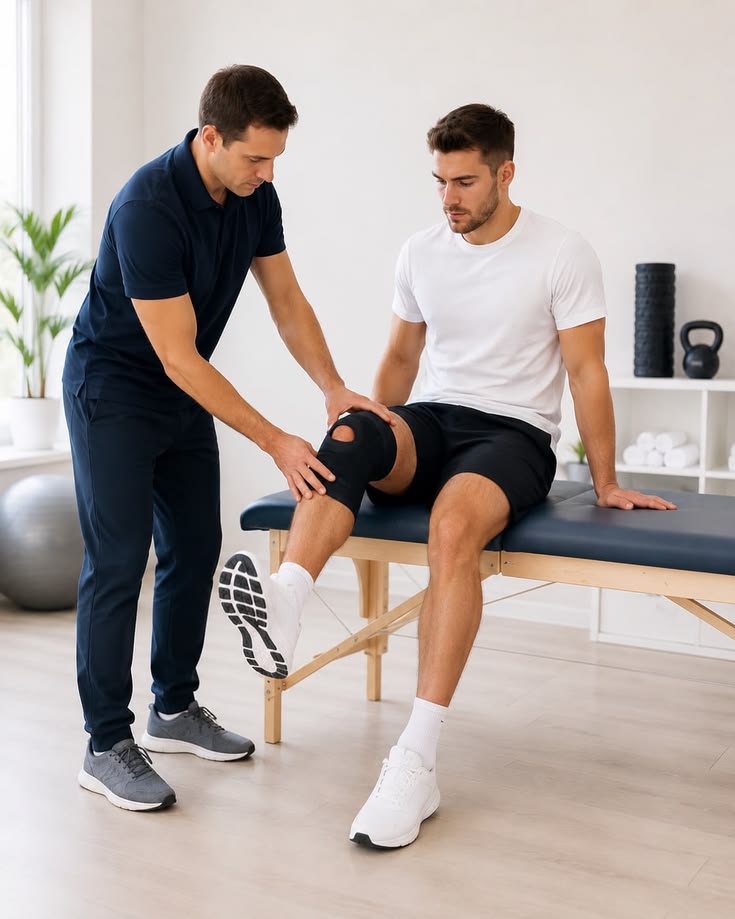


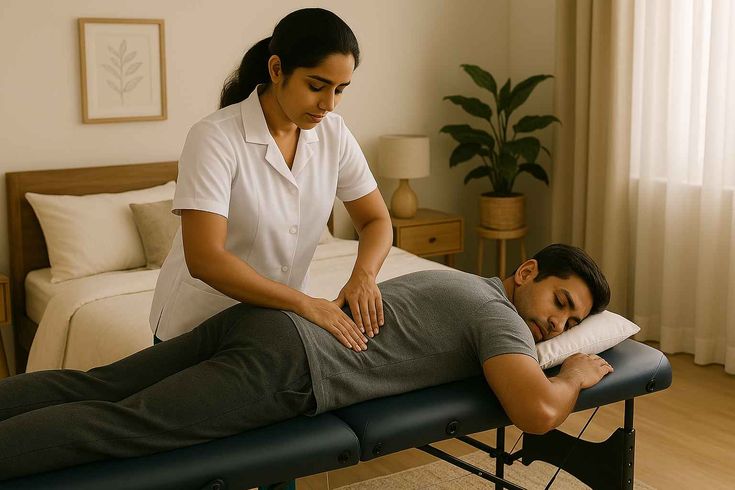
Getting to a physiotherapy clinic is not always easy. For some people, it means arranging transport, managing pain during the journey or relying on a family member to drive them. For others, reduced mobility, recent surgery or the fear of falling can make leaving home particularly challenging.
If you live in Applecross, mobile physio offers a practical alternative: professional physiotherapy delivered in your own home.
At RAS Mobile Physiotherapy Perth, our AHPRA-registered physiotherapists provide home visits for older adults, NDIS participants, people recovering from hospital stays and individuals experiencing pain, weakness, balance problems or reduced mobility.
Whether you live in a family home, apartment or retirement residence in Applecross, physiotherapy can be built around your living environment and personal rehabilitation goals.
Our focus is on helping you move more comfortably, improve safety, regain confidence and maintain independence.
Looking for mobile physio in Applecross? Call RAS Mobile Physiotherapy Perth on 0435 267 763 to discuss a home appointment.
What Is Mobile Physiotherapy in Applecross?
Mobile physiotherapy in Applecross is a healthcare service in which a qualified physiotherapist visits your home to assess movement problems, provide rehabilitation and support everyday physical function.
Rather than travelling to an outpatient clinic, you receive physiotherapy in a familiar environment.
Home physiotherapy can address concerns such as:
- Difficulty walking around the house
- Reduced balance and falls risk
- Knee, hip, shoulder or back pain
- Weakness following illness or hospitalisation
- Reduced mobility following surgery
- Difficulty using stairs
- Problems standing from chairs
- Reduced confidence when walking outdoors
- Neurological conditions affecting movement
- Disability-related rehabilitation goals
The physiotherapist can observe how your symptoms affect activities in the places where you normally perform them.
For example, a client may walk reasonably well along a clinic corridor but experience difficulty turning in a narrow bedroom or transferring from a low lounge chair.
A home assessment allows these challenges to become part of the rehabilitation plan.
7 Signs You May Benefit from Home Physio in Applecross
Not every person needs regular physiotherapy. However, certain changes in movement and daily function suggest that a professional assessment may be worthwhile.
1. You have started walking more slowly
If it takes longer than usual to walk from your bedroom to the kitchen, or you frequently stop to rest, weakness, pain, reduced endurance or balance changes may be contributing.
A physiotherapist can assess walking ability and identify appropriate exercises.
2. You feel unsteady when standing or turning
Feeling wobbly when getting out of bed, standing from a chair or turning around may indicate an increased falls risk.
Balance and strength exercises can form part of an individualised falls prevention program.
3. You avoid leaving home because of mobility concerns
Some people gradually reduce shopping, social visits or outdoor walks because they are worried about falling or becoming exhausted.
Home physiotherapy can work towards improving walking confidence and endurance.
4. You recently returned home from hospital
Hospital admission, surgery or prolonged bed rest can contribute to physical deconditioning.
If your usual daily activities have become harder, a home physiotherapy assessment may help identify the next steps in recovery.
5. Everyday activities are becoming difficult
Activities such as showering, standing from a chair, getting out of bed or walking to the letterbox should not be overlooked when they become increasingly challenging.
These are practical activities that can be assessed during a home visit.
6. You experience recurring pain that limits movement
Persistent knee pain, hip stiffness, back pain or other musculoskeletal symptoms may interfere with walking, housework and exercise.
A physiotherapist can examine contributing factors and discuss appropriate management strategies.
NDIS participants may benefit from physiotherapy when disability affects walking, balance, transfers, strength, mobility or everyday physical independence.
The goals and treatment must be appropriate for the participant’s circumstances and funding arrangements.
Why Choose Home Visit Physiotherapy in Applecross?
Applecross includes established residential streets, riverside areas and apartment developments. People living in different types of accommodation may experience different mobility challenges.
A client in a multistorey home may be concerned about stairs, while someone in an apartment may need help with bathroom transfers, corridor walking or moving safely between rooms.
Home physiotherapy makes it possible to assess these needs directly.
Practical advantages of physiotherapy at home
No clinic travel: You do not have to arrange transport or spend time travelling to an appointment.
Real-world assessment: The physiotherapist can observe movement in your actual home environment.
Personalised exercises: Rehabilitation can be based on your available space, equipment and usual activities.
Family involvement: Family members or carers can attend with your consent.
Functional goals: Treatment can focus on everyday tasks, such as standing from the lounge chair or safely reaching the bathroom.
Continuity of rehabilitation: A home exercise program can be incorporated into your usual routine.
For individuals who struggle to access a clinic, these advantages can make physiotherapy more practical.
Aged Care Physiotherapy in Applecross
As people age, gradual changes in muscle strength, joint movement, endurance and balance may affect independence.
Some older adults also live with arthritis, osteoporosis, neurological conditions or other health problems that make movement more difficult.
RAS Mobile Physiotherapy Perth offers home physiotherapy for older adults who want to maintain or improve their physical function.
Common aged care physiotherapy goals
- Improve leg strength
- Maintain walking ability
- Reduce avoidable falls risk
- Improve balance
- Support safe transfers
- Manage arthritis-related movement difficulties
- Improve confidence using walking aids
- Maintain independence with everyday activities
- Example: Difficulty standing from a chair
An older adult in Applecross may notice that they increasingly need to push heavily through their arms to stand.
During a home visit, a physiotherapist can assess lower limb strength, chair height, balance and movement technique.
Depending on the assessment, treatment may include supported sit-to-stand exercises, leg strengthening and safe transfer practice.
The aim is to improve functional ability rather than simply completing exercises.
Can aged care funding cover home physiotherapy?
Physiotherapy may be accessible through Australian Government aged care programs when the person meets eligibility requirements and the relevant service has been approved.
The Support at Home program, introduced in November 2025, includes pathways for eligible older Australians who require assistance to remain independent at home.
Access depends on individual assessment, approved services and provider arrangements.
You can learn about aged care services through My Aged Care.
Falls Prevention and Balance Physiotherapy in Applecross
A fall can affect much more than physical health. Even when a serious injury does not occur, the experience may cause someone to lose confidence in walking or standing independently.
Some people begin avoiding activities, which may contribute to further weakness and reduced mobility.
Physiotherapy can help address modifiable falls risk factors.
What does a falls prevention assessment involve?
Your physiotherapist may examine:
- Previous falls or near falls
- Walking pattern and speed
- Lower limb strength
- Standing balance
- Ability to turn
- Sit-to-stand performance
- Use of walking aids
- Home environmental hazards
- Confidence during movement
Where appropriate, clinical measures such as the Timed Up and Go (TUG) test or Five Times Sit-to-Stand test may help establish a baseline and monitor progress.
Common falls prevention exercises
Depending on the person’s capacity, exercises might include:
- Supported standing balance
- Weight shifting
- Heel raises
- Sit-to-stand repetitions
- Side stepping
- Walking practice
- Turning exercises
- Lower limb strengthening
Exercises must be selected according to the person’s medical history, functional ability and falls risk.
For some people, walking independently is an achievable goal. Others may benefit more from safer walking with a frame or improved assistance strategies.
The treatment plan should reflect realistic, individual goals.
NDIS Physiotherapy in Applecross
RAS Mobile Physiotherapy Perth supports plan-managed and self-managed NDIS participants who require physiotherapy for appropriate disability-related functional goals.
The NDIS recognises physiotherapy as a type of therapy support, subject to relevant funding requirements.
What can NDIS physiotherapy help with?
Home-based NDIS physiotherapy may address:
- Walking and mobility limitations
- Reduced muscle strength
- Poor balance and coordination
- Falls prevention
- Difficulty transferring between surfaces
- Functional endurance
- Neurological rehabilitation
- Mobility aid education
- Disability-related physical function
- Home exercise programs
- Support worker and carer education where appropriate
Physiotherapy focused on everyday independence
Consider an NDIS participant who has difficulty walking safely from the bedroom to the bathroom.
Rather than focusing only on general strengthening, the physiotherapist may work on:
- Improving lower limb strength
- Practising bed-to-standing transfers
- Improving balance while turning
- Walking safely through the home
- Using an appropriate mobility aid
Each activity supports a practical functional goal.
Can all NDIS participants use their funding for physiotherapy?
Not automatically.
NDIS-funded physiotherapy must satisfy the relevant funding criteria, relate appropriately to disability support needs and align with the participant’s approved plan.
Plan-managed participants generally arrange payment through their plan manager. Self-managed participants arrange payment and claims under their own funding arrangements.
RAS can discuss the referral process and required information before the appointment.
Post-Hospital and Post-Surgery Physiotherapy at Home
Returning home after surgery or hospitalisation can be an important stage of rehabilitation.
Someone who was previously independent may temporarily find it difficult to walk, stand, use stairs or complete everyday activities.
Home physiotherapy can support recovery when clinically appropriate and consistent with the treating medical team’s instructions.
Common reasons for post-hospital physiotherapy
- Knee replacement rehabilitation
- Hip replacement rehabilitation
- Fracture recovery
- Shoulder surgery rehabilitation
- General weakness following hospitalisation
- Reduced endurance
- Balance problems
- Difficulty walking with mobility aids
- Reduced confidence after illness
Knee replacement rehabilitation at home
Following knee replacement surgery, treatment may include:
- Knee range-of-motion exercises
- Quadriceps strengthening
- Walking practice
- Sit-to-stand exercises
- Balance training
- Functional activity progression
The program must respect the surgeon’s instructions, wound status, weight-bearing advice and stage of recovery.
Hip replacement rehabilitation at home
Following hip replacement surgery, physiotherapy may focus on safe transfers, walking ability, muscle strengthening and progressive return to activity.
Any prescribed precautions or movement restrictions must be followed.
What about recovery after a long hospital admission?
Some individuals experience general deconditioning rather than a single joint problem.
In these cases, physiotherapy may include a gradual program to improve walking distance, strength, balance and activity tolerance.
Important: Sudden chest pain, severe breathlessness, new stroke-like symptoms or other acute medical emergencies require immediate medical assistance, not a routine physiotherapy appointment. Call 000 in Australia for emergencies.
Neurological Physiotherapy in Applecross
Neurological conditions can affect movement, coordination, muscle tone, balance, walking and daily independence.
Home-based neurological physiotherapy may be suitable for people living with:
- Stroke
- Parkinson’s disease
- Multiple sclerosis
- Acquired brain injury
- Spinal cord injury
- Cerebral palsy
- Other conditions affecting movement and physical function
Stroke rehabilitation at home
After a stroke, physiotherapy goals may include:
- Improving standing balance
- Practising walking
- Strengthening affected muscles
- Improving transfers
- Reducing falls risk
- Building endurance
- Supporting functional independence
- For someone who wants to move confidently around their Applecross home, therapy might focus on walking from room to room, managing doorways and safely transferring from furniture.
Parkinson’s physiotherapy
Depending on the individual’s presentation, physiotherapy may include balance exercises, walking strategies, turning practice, strength exercises and functional movement training.
Multiple sclerosis physiotherapy
Treatment may address mobility, strength, fatigue management, balance and appropriate exercise progression.
Neurological rehabilitation is built around the person’s condition, stage of recovery, symptoms and goals.
Pain Management and Musculoskeletal Physiotherapy
Not everyone who books home physiotherapy has a major disability or mobility limitation.
People may also seek treatment for musculoskeletal problems such as:
- Lower back pain
- Neck pain
- Knee osteoarthritis
- Hip pain
- Shoulder stiffness
- Sciatica
- Muscle weakness
- Joint stiffness
- Pain affecting walking or exercise
An assessment can help identify limitations in strength, movement, function and activity tolerance.
Depending on the clinical findings, treatment may include education, therapeutic exercise, gradual strengthening, movement modification and hands-on techniques where appropriate.
The aim is to improve function and support manageable, sustainable activity.
What Happens During Your First Mobile Physio Appointment?
Your first appointment allows the physiotherapist to understand your condition and establish a treatment plan.
Step 1: Discussion of your concerns
The physiotherapist will ask about your symptoms, medical history, medications where relevant, previous treatment, falls, mobility and goals.
For example, your main goal may be to walk to the shops, return to gardening or become more confident standing independently.
Step 2: Physical assessment
Depending on your condition, the assessment may include:
- Joint range of motion
- Muscle strength
- Balance
- Walking pattern
- Transfers
- Functional mobility
- Pain-related movement limitations
- Relevant neurological findings
Step 3: Review of daily movement challenges
The physiotherapist may observe how you move around your home, with your permission.
This could include walking through hallways, using stairs, standing from your usual chair or moving safely with a walking frame.
Step 4: Treatment and exercises
Treatment may start during the initial appointment if it is safe and appropriate.
Exercises are selected according to your needs, ability and rehabilitation goals.
Step 5: Ongoing rehabilitation plan
The physiotherapist will explain the findings and discuss whether further appointments are recommended.
Progress may be reviewed using objective measures and functional goals.
Common Exercises Used During Home Physiotherapy
There is no single exercise program that suits every client.
However, the following examples may form part of an individualised home physiotherapy plan.
| Exercise | Common rehabilitation purpose |
|---|---|
| Sit-to-stand practice | Functional leg strength and transfers |
| Seated knee extensions | Quadriceps activation and strengthening |
| Supported heel raises | Lower limb strength and ankle control |
| Seated marching | Hip movement and muscle activation |
| Supported weight shifting | Standing balance and confidence |
| Side stepping | Hip strength and lateral balance |
| Walking practice | Gait, endurance and mobility |
| Shoulder range-of-motion exercises | Upper limb movement and function |
The appropriate exercise intensity, repetitions, supervision and progression depend on the individual’s assessment.
People with significant falls risk should not attempt unsupported balance exercises without suitable professional guidance.
Mobile Physio at Home vs Clinic Physiotherapy
Both home visits and clinic physiotherapy can be effective. The best option depends on the person’s condition, goals and practical circumstances.
| Consideration | Home Visit Physio | Clinic Physio |
|---|---|---|
| Travel | No clinic travel required | Travel required |
| Home environment assessment | Directly available | Usually not directly available |
| Walking and transfer practice | Can use everyday surroundings | Uses clinic facilities |
| Gym equipment | May be limited | Often more equipment available |
| Mobility-limited clients | Often convenient | May require assistance |
| Family involvement | Can be arranged at home | Can be arranged at clinic |
Home physiotherapy may be particularly helpful for someone whose main challenge is moving safely and independently around their own home.
A clinic may be more suitable when specialised equipment, facilities or particular interventions are required.
Your physiotherapist can help determine which setting is appropriate.
Funding and Payment Options for Applecross Home Physio
RAS Mobile Physiotherapy Perth works with several types of clients.
Private physiotherapy
Private clients can contact RAS directly to enquire about an assessment or treatment appointment.
NDIS physiotherapy
We support plan-managed and self-managed participants where physiotherapy is an appropriate funded support.
Aged care physiotherapy
Older adults may receive physiotherapy privately or through eligible aged care arrangements, subject to their care plan and the relevant provider arrangements.
Do you need a GP referral?
A GP referral is generally not necessary for privately funded physiotherapy. Certain funded services or reimbursement arrangements may have additional referral or documentation requirements.
What does mobile physiotherapy cost?
The team can explain the applicable appointment fee, potential travel charges and funding requirements before confirming your booking.
Contact RAS Mobile Physiotherapy Perth on 0435 267 763 to discuss your circumstances.
Mobile Physio Applecross and Surrounding Suburbs
RAS Mobile Physiotherapy Perth provides home physiotherapy in Applecross and services surrounding areas subject to appointment and clinician availability.
Nearby locations include:
- Ardross
- Mount Pleasant
- Alfred Cove
- Booragoon
- Myaree
- Melville
- Attadale
- Bicton
- Brentwood
- Rossmoyne
- Bull Creek
- Bateman
- Murdoch
- Como
- South Perth
- Manning
- Salter Point
- Riverton
- Shelley
- Willetton
- Leeming
- Fremantle
If you live near Canning Highway, the Applecross foreshore, the Heathcote area or the surrounding residential streets, you can contact our team to confirm whether a home appointment is available at your address.
Why Choose RAS Mobile Physiotherapy Perth?
When choosing a mobile physiotherapist, it is important to consider professional registration, clinical assessment, communication and whether treatment is appropriate for your needs.
RAS Mobile Physiotherapy Perth offers:
- AHPRA-registered physiotherapists
- Individualised home-based assessments
- Falls prevention and balance rehabilitation
- Aged care physiotherapy
- NDIS physiotherapy for plan-managed and self-managed participants
- Post-hospital and post-operative rehabilitation
- Neurological physiotherapy
- Musculoskeletal pain and mobility support
- Home exercise programs
- Practical rehabilitation goals
- Family and carer involvement where appropriate
Our approach is centred on understanding what matters most to each client.
For one person, the goal may be walking safely through the house. For another, it may be standing independently, using the stairs or gradually returning to outdoor walking.
Physiotherapy should be relevant to your everyday life.
Frequently Asked Questions About Mobile Physio Applecross
1. Do you provide home visit physiotherapy in Applecross?
Yes. RAS Mobile Physiotherapy Perth provides mobile physiotherapy in Applecross for eligible private, aged care and NDIS clients, subject to appointment availability.
2. Can a physiotherapist visit an apartment in Applecross?
Yes, home physiotherapy can be arranged in apartments as well as houses, provided suitable access and a safe treatment space are available. Please provide any building access or parking instructions when booking.
3. Is mobile physiotherapy suitable if I cannot drive?
Yes. Home physiotherapy can be particularly helpful for people who cannot drive or have difficulty arranging transport to a clinic.
4. Do you accept NDIS participants in Applecross?
Yes. We work with plan-managed and self-managed NDIS participants when physiotherapy is appropriate for their disability-related goals and funding arrangements.
5. What if my NDIS plan is agency-managed?
Agency-managed funding generally requires an appropriately registered NDIS provider. Contact the team to discuss other payment or referral arrangements that may be suitable.
6. Can physiotherapy be funded through Support at Home?
Physiotherapy may be available under an eligible person’s approved Support at Home arrangements. Access depends on their assessed needs, care plan and provider arrangements.
7. Do I need a doctor’s referral to book home physiotherapy?
A GP referral is generally not required for a privately funded appointment. Some government-funded or insurance arrangements have specific requirements.
8. How much does mobile physio cost in Applecross?
Fees depend on the appointment type and funding pathway. Any applicable travel fees should also be confirmed before booking. Contact RAS for a quote.
9. How long is a home physiotherapy appointment?
Appointment length depends on whether it is an initial assessment or follow-up session and the client’s clinical needs. The expected duration can be confirmed when booking.
10. Can I receive physiotherapy after knee or hip replacement surgery?
Yes, when clinically appropriate. Home physiotherapy can support movement, walking, strengthening and safe functional recovery, while following relevant post-operative precautions.
11. Can physiotherapy help if I feel unsteady but have not fallen?
Yes. You do not need to wait until a fall occurs. A balance and mobility assessment may identify opportunities to improve strength, movement and safety.
12. Can a mobile physiotherapist help me walk outdoors again?
Where clinically appropriate, physiotherapy can work towards improving walking ability, endurance and confidence. Progression to outdoor walking depends on individual safety and mobility.
13. Do you offer stroke or Parkinson’s rehabilitation at home?
Yes. RAS Mobile Physiotherapy Perth offers neurological physiotherapy that may support walking, balance, transfers, strength and functional mobility.
14. Can my daughter, son, carer or support worker attend?
Yes, with your consent. Family members or support workers can be involved in discussions and education where appropriate.
15. How can I book mobile physio in Applecross?
Call 0435 267 763 or visit the RAS Mobile Physiotherapy Perth website to enquire about a home visit. The team can discuss your needs, location, funding arrangements and appointment availability.
Book Mobile Physio in Applecross
Whether you are arranging physiotherapy for yourself, an older parent, a family member with disability or someone recovering after hospital discharge, home physiotherapy can make accessing treatment more practical.
RAS Mobile Physiotherapy Perth provides individualised physiotherapy for people experiencing pain, weakness, balance difficulties, reduced mobility and rehabilitation needs.
Our focus is on supporting meaningful functional goals in the place where you live.
Call 0435 267 763 or send a referral online to enquire about mobile physio in Applecross.
Website: https://rasmobilephysioperth.com.au/