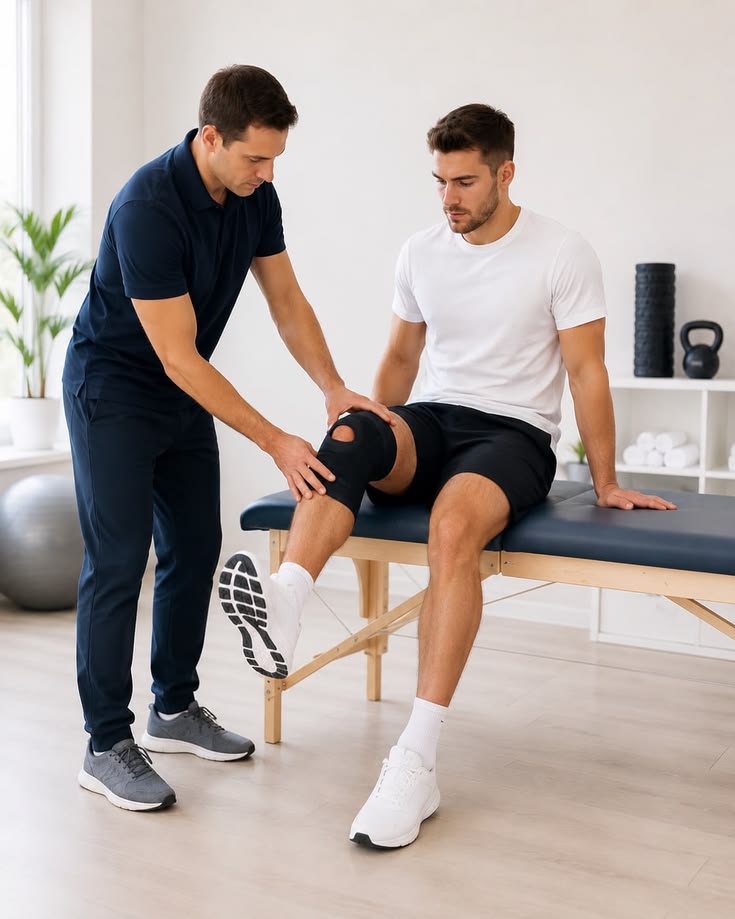



Returning home after surgery, illness or a hospital stay should be a positive step in recovery. However, many people discover that everyday activities are more difficult than expected.
Walking to the bathroom may feel exhausting. Standing from a chair might require assistance. Stairs, outdoor paths and even getting in and out of bed can become challenging.
If you live in Bicton, mobile physiotherapy allows you to receive professional rehabilitation and movement support in your own home, without needing to travel to a clinic.
At RAS Mobile Physiotherapy Perth, our AHPRA-registered physiotherapists provide home visits for people recovering from surgery or hospitalisation, older adults, NDIS participants and individuals experiencing pain, weakness, poor balance or reduced mobility.
We aim to help clients restore practical movement, improve confidence and work towards meaningful daily activities.
Need mobile physio in Bicton? Call 0435 267 763 to discuss a home appointment.
What Is Mobile Physiotherapy in Bicton?
Mobile physio in Bicton means a qualified physiotherapist visits your home to assess and treat problems affecting movement, strength, balance, pain or physical function.
Rather than travelling to a traditional clinic, physiotherapy is provided in the environment where you normally complete everyday activities.
Depending on your circumstances, home physiotherapy may involve:
- Walking and balance assessment
- Muscle strength and joint movement testing
- Bed and chair transfer training
- Post-operative rehabilitation
- Post-hospital recovery
- Falls prevention
- Neurological rehabilitation
- Pain management
- Mobility aid education
- Home exercise programs
- Family and carer guidance where appropriate
A home visit can be especially useful when someone has difficulty accessing a clinic because of weakness, pain, disability, reduced mobility or transport challenges.
The physiotherapist can also observe how a person manages their usual furniture, steps and walking spaces.
Why Physiotherapy Matters After Hospital Discharge
A period of hospitalisation can affect physical function.
For example, someone admitted with an illness may spend several days moving less than usual. On returning home, they may feel weaker, tire more easily or need help with activities that were previously straightforward.
Similarly, someone recovering from an operation may require a structured program to restore movement, strength and functional ability.
Common difficulties after hospital discharge
People may experience:
- Reduced walking distance
- Weakness in their legs
- Fatigue
- Difficulty standing from chairs
- Reduced balance
- Joint stiffness
- Pain during movement
- Reduced confidence
- Problems using mobility aids
- Difficulty managing stairs or steps
Not every person needs ongoing physiotherapy, but an assessment may be valuable when these difficulties affect safety or independence.
How can home physiotherapy help?
A physiotherapist may assess physical capacity and develop a rehabilitation plan based on individual goals.
For example, an older adult who struggles to walk between rooms may begin with supported strengthening and short walking activities.
As their capacity improves, exercises may be progressed according to clinical findings and tolerance.
The focus is not simply exercising more. It is improving the person’s ability to manage meaningful activities safely.
7 Signs You May Need Physiotherapy After Returning Home
1. Walking feels harder than before hospitalisation
If you need to stop frequently or rely more heavily on a walking frame, physiotherapy may help assess weakness, balance and endurance.
2. You need more help standing from a chair
Reduced lower limb strength, pain and altered movement patterns may make transfers difficult.
3. You feel unsteady when turning
Balance problems can increase the risk of falling, particularly when turning through narrow spaces.
4. You avoid stairs or entrance steps
If managing steps has become unsafe or difficult, functional mobility assessment may be appropriate.
5. Pain is affecting your rehabilitation
Pain after surgery or illness may limit movement. A physiotherapist can assess relevant symptoms and recommend appropriate management while respecting medical precautions.
6. You are afraid of falling
Reduced confidence after illness or surgery can affect participation in daily activities.
7. You are not returning to your usual daily routine
If household movement, personal care activities or community participation remain more difficult than expected, further assessment may help clarify rehabilitation needs.
Post-Surgery Physiotherapy at Home in Bicton
Home physiotherapy may be appropriate following certain orthopaedic procedures.
Knee replacement rehabilitation
Following total knee replacement, physiotherapy commonly focuses on knee movement, quadriceps strengthening, walking, transfers and the gradual return to functional activities.
An individualised home program may include knee movement exercises, sit-to-stand practice, walking with the recommended mobility aid and progressive strengthening.
The physiotherapist should follow instructions from the surgeon or treating team and consider wound status, pain and the stage of healing.
Hip replacement rehabilitation
After hip replacement surgery, treatment may involve:
- Safe bed and chair transfers
- Walking practice
- Appropriate muscle strengthening
- Mobility aid use
- Balance exercises
- Gradual activity progression
Any prescribed precautions and weight-bearing restrictions must be followed.
Fracture rehabilitation
After a fracture, rehabilitation depends on the injury, treatment, healing stage and medical instructions.
A physiotherapist may help with appropriate joint movement, strengthening and walking practice when cleared to do so.
Shoulder surgery rehabilitation
Shoulder recovery may involve carefully prescribed movements and staged strengthening.
The procedure and surgeon’s rehabilitation protocol determine which activities are appropriate.
Important: Sudden severe symptoms, suspected blood clots, new chest pain, severe breathlessness or other emergencies require urgent medical assessment. Call 000 in Australia for an emergency.
Rebuilding Strength After Illness
Not all rehabilitation follows surgery.
Some people need physiotherapy after medical admissions that have reduced their physical capacity.
Possible rehabilitation goals include improving:
- Lower limb strength
- General endurance
- Walking tolerance
- Balance
- Functional transfers
- Confidence with movement
A typical treatment plan may combine strengthening exercises, activity pacing and gradual walking practice.
Progress varies. Some people need only a short period of rehabilitation, while others require longer-term support.
The plan should be reviewed according to functional progress and clinical needs.
Aged Care Physiotherapy in Bicton
Older adults may benefit from home physiotherapy when changes in strength, balance, joint mobility or physical confidence affect their daily lives.
RAS Mobile Physiotherapy Perth supports seniors with mobility and rehabilitation needs, including:
- Falls prevention
- Walking difficulties
- Balance limitations
- Arthritis-related movement problems
- Post-hospital weakness
- Reduced muscle strength
- Mobility aid use
- Safe transfers
- Maintaining physical independence
Example: Difficulty walking safely around the house
An older adult in Bicton may feel confident sitting and completing simple daily tasks but struggle to stand and walk without holding furniture.
A home physiotherapy assessment can examine strength, balance, chair transfers, walking pattern and suitable mobility aids.
Treatment may involve progressive strengthening and supervised functional training.
This is an illustrative example; exercises depend on the client’s assessment.
Support at Home and restorative care
Eligible older Australians may access physiotherapy through approved aged care arrangements.
The Australian Government’s Support at Home program includes clinical services such as physiotherapy for eligible clients. Its Restorative Care Pathway may provide short-term multidisciplinary support to improve function after illness or injury.
Access depends on assessment, approved services and provider arrangements. Funding is not automatically available to everyone.
Falls Prevention and Balance Rehabilitation
Falls can lead to injury and reduced independence, particularly for older adults or people recovering from illness.
Some falls are associated with reduced muscle strength, poor balance, medication-related issues, dizziness, impaired vision or environmental hazards.
Physiotherapy can address selected physical risk factors.
What does a falls prevention assessment include?
Depending on the person, a physiotherapist may examine:
- Previous falls and near falls
- Walking pattern
- Balance and turning
- Lower limb strength
- Ability to stand from a chair
- Mobility aid use
- Relevant home safety concerns
- Functional measures, such as the Timed Up and Go test, may be used when suitable.
The aim is to identify relevant limitations and create an individualised treatment program.
NDIS Physiotherapy in Bicton
RAS Mobile Physiotherapy Perth works with plan-managed and self-managed NDIS participants when physiotherapy is appropriate for their disability-related needs and funding arrangements.
Physiotherapy may address:
- Walking and mobility
- Balance and coordination
- Functional transfers
- Muscle strength
- Physical endurance
- Disability-related movement limitations
- Neurological rehabilitation
- Mobility aid use
- Home exercise programs
- Everyday functional goals
Example: Improving transfers at home
A participant may want to improve their ability to transfer safely from a wheelchair to a chair.
Physiotherapy may focus on appropriate strengthening, standing practice, transfer strategies and education for those assisting them.
The treatment plan should reflect the participant’s abilities, goals and relevant safety requirements.
Under NDIS arrangements, plan-managed and self-managed participants can generally choose registered or unregistered providers for eligible supports, subject to exceptions. NDIA-managed support funding normally requires an NDIS-registered provider.
RAS does not claim NDIS provider registration.
Neurological Rehabilitation in Bicton
Home-based physiotherapy may also be suitable for people living with neurological conditions affecting mobility.
These may include:
- Stroke
- Parkinson’s disease
- Multiple sclerosis
- Acquired brain injury
- Spinal cord injury
- Other neurological conditions
Stroke rehabilitation
Following a stroke, physiotherapy may support balance, walking, transfers, strength and functional activity.
For example, a person’s goal might be to move safely between rooms or improve walking endurance.
Parkinson’s and movement difficulties
Physiotherapy may include gait practice, turning strategies, balance exercises and strengthening, depending on individual symptoms.
Multiple sclerosis
Treatment may address strength, fatigue-related mobility limitations, balance and appropriate exercise progression.
Pain and Everyday Mobility
Pain can affect rehabilitation even when it is not the main reason for an appointment.
Someone with knee pain may avoid walking. Someone with back pain may struggle with bed transfers or standing for longer periods.
Mobile physiotherapy can provide assessment and treatment for suitable musculoskeletal concerns such as:
- Back pain
- Hip pain
- Knee pain
- Shoulder pain
- Arthritis
- Joint stiffness
- Muscle weakness
- Movement-related discomfort
Management may involve education, therapeutic exercise, graded activity and hands-on techniques where appropriate.
Returning to Outdoor Walking in Bicton
For some people, an important rehabilitation goal is getting back to outdoor activities.
Bicton is known for areas such as the Swan River foreshore, Point Walter and Blackwall Reach.
A resident might want to return to appropriate outdoor walking, enjoy time with family or visit local community areas.
However, outdoor surfaces, slopes, distances and environmental conditions can present challenges.
A gradual approach to walking confidence
An individual rehabilitation plan may begin with:
- Safe indoor walking
- Improved balance and standing control
- Building lower limb strength
- Increasing tolerated walking distance
- Assessing readiness for suitable outdoor activity
Outdoor walking should only be introduced when the person’s condition and mobility make it appropriate.
The objective is safe, meaningful participation, not walking a particular distance at any cost.
What Happens During Your First Home Physio Appointment?
Your initial appointment usually begins with a discussion of your concerns, medical history, current mobility and rehabilitation goals.
The physiotherapist may assess:
- Joint range of motion
- Muscle strength
- Balance
- Walking
- Sit-to-stand ability
- Transfers
- Pain-related movement limitations
- Mobility aid use
- Relevant home environment factors
Treatment may begin during the first appointment if appropriate.
You may receive a home exercise program and recommendations for further physiotherapy.
The recommended number of sessions depends on your condition, goals and progress.
Examples of Home Rehabilitation Exercises
Exercises are selected individually. Common examples may include:
| Exercise | Possible rehabilitation purpose |
|---|---|
| Seated knee extensions | Lower limb strengthening |
| Supported sit-to-stand | Improving functional transfers |
| Supported heel raises | Calf strength and standing control |
| Seated marching | Hip movement and activation |
| Supported weight shifting | Balance training |
| Short walking intervals | Walking tolerance |
| Side stepping with support | Lateral balance and hip strength |
| Gentle joint movement exercises | Maintaining or improving mobility |
Repetitions, intensity and supervision should reflect individual clinical needs.
People with substantial falls risk should not attempt unsupported balance exercises without appropriate guidance.
Funding Options for Home Physiotherapy in Bicton
Private clients
Private physiotherapy appointments generally do not require a GP referral.
NDIS clients
RAS works with plan-managed and self-managed participants where physiotherapy meets relevant funding requirements.
Aged care clients
Eligible people may access physiotherapy through approved aged care arrangements, including Support at Home.
Private health insurance
Rebates depend on the client’s fund, cover and provider eligibility. Clients should confirm their policy requirements before booking.
Appointment costs
Contact RAS to confirm current assessment fees, follow-up costs and any applicable travel charges.
Mobile Physio Bicton and Nearby Suburbs
RAS Mobile Physiotherapy Perth provides home visits in Bicton and surrounding areas, subject to availability.
Nearby suburbs include Attadale, Palmyra, Melville, East Fremantle, Alfred Cove, Myaree, Willagee, Applecross, Ardross, Booragoon, Fremantle, Hilton, O’Connor, Mount Pleasant, Murdoch, Leeming, Bull Creek and South Perth.
If you live near Blackwall Reach, Point Walter, Bicton Baths or the surrounding Bicton residential streets, contact the team to confirm service availability at your address.
Why Choose RAS Mobile Physiotherapy Perth?
RAS Mobile Physiotherapy Perth offers:
- AHPRA-registered physiotherapists
- Home-based assessments
- Post-hospital rehabilitation
- Post-operative physiotherapy
- Aged care mobility support
- Falls prevention
- Plan-managed and self-managed NDIS physiotherapy
- Neurological rehabilitation
- Pain and movement management
- Home exercise programs
- Family and carer education where appropriate
Our focus is on rehabilitation that is relevant to the activities a person needs to manage in everyday life.
Frequently Asked Questions About Mobile Physio Bicton
1. Do you provide mobile physiotherapy in Bicton?
Yes. RAS Mobile Physiotherapy Perth offers home visit physiotherapy in Bicton, subject to appointment availability.
2. Can I receive physiotherapy at home after hospital discharge?
Yes. Home physiotherapy may be appropriate for weakness, reduced mobility, poor balance and functional difficulties following hospitalisation.
3. Can a physiotherapist visit after knee replacement surgery?
Yes, when clinically appropriate. Treatment may include knee movement exercises, strengthening, walking and transfer training while following surgical instructions.
4. Do you offer physiotherapy after hip replacement?
Yes. Home rehabilitation may support strength, walking and transfers, subject to post-operative precautions.
5. How soon after surgery can physiotherapy begin?
The appropriate timing depends on the procedure, medical clearance, hospital discharge advice and the person’s condition.
6. Is home physiotherapy suitable for older adults?
Yes. It may help seniors experiencing reduced strength, balance problems, difficulty walking or a loss of independence.
7. Can physiotherapy help prevent falls?
Physiotherapy may reduce modifiable falls risk factors through strength, balance, mobility training and appropriate education.
8. Do you accept NDIS participants in Bicton?
Yes. RAS works with plan-managed and self-managed NDIS participants for appropriate physiotherapy supports.
9. Can Support at Home fund physiotherapy?
Physiotherapy may be included in approved services for eligible older people. Access depends on assessment, funding and provider arrangements.
10. Do I need a GP referral?
Usually not for private physiotherapy. Particular funded services may have additional referral or documentation requirements.
11. Can mobile physio help someone recovering from a stroke?
Yes. Home stroke rehabilitation may address walking, balance, transfers, strength and functional mobility.
12. Can a physiotherapist assess my walking frame?
Yes. A physiotherapist can assess how you use a walking aid and provide relevant mobility education or further equipment recommendations.
13. Will I receive exercises to do between visits?
Where appropriate, your physiotherapist may prescribe an individualised home exercise program.
14. How many physiotherapy appointments will I need?
This depends on your condition, rehabilitation goals, functional ability and progress. The physiotherapist can discuss recommendations after assessment.
15. Can a family member or carer attend?
Yes, with your consent and when their participation is suitable.
16. How can I book mobile physio in Bicton?
Call RAS Mobile Physiotherapy Perth on 0435 267 763 or enquire through the website to discuss availability, funding and appointment options.
Book Mobile Physio in Bicton
If you are recovering from surgery, experiencing weakness after hospital discharge or finding everyday movement difficult, home physiotherapy may provide a convenient way to access rehabilitation.
RAS Mobile Physiotherapy Perth supports private clients, older adults and plan-managed or self-managed NDIS participants with individualised physiotherapy at home.
Call 0435 267 763 or send a referral online to enquire about mobile physio in Bicton.
Website: https://rasmobilephysioperth.com.au/